What is an annuity and how do annuities work?
Many people are looking for reliable ways of funding their retirement. Perhaps you’re planning trips you put off because life kept getting in the way or have a hobby you’d like to devote more time to. Or maybe you just want to make sure the bills are covered for the rest of your life.
Want to learn more about annuities?
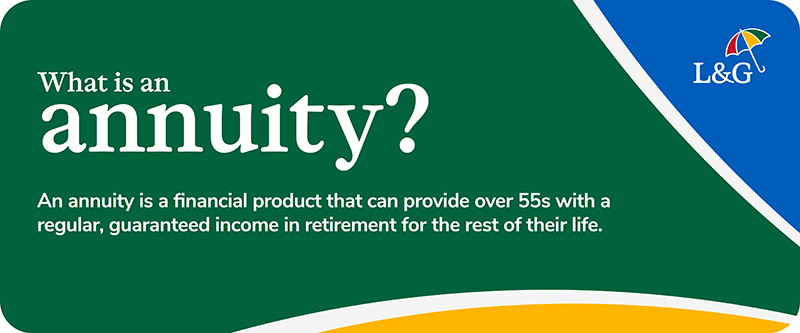
An annuity usually pays you a regular monthly, quarterly or annual income for the rest of your life, no matter how long you live. You can also choose a temporary annuity (or fixed-term annuity) which only pays out for a set period. Both types can keep paying out to a loved one if you die before them.
The amount of income you can get will depend on:
- how much you choose to spend when you set it up
- what choices you make when you set it up
- the annuity rate your provider offers you
- health and lifestyle factors
You set the income amount when you buy your annuity.
- You can use our annuity calculator to find out what your potential income could be based on the amount you have to spend.
- We can create a personalised annuity quote for you, which will also tell you if you could get a better rate elsewhere. We want you to find the right annuity for you.
When you’re choosing and setting up your annuity, you’ll probably have different options to choose from.
The most common type of annuity is a lifetime annuity. It regularly pays out a guaranteed sum of money for the rest of your life. If that doesn’t meet your needs, other types of annuity include:
- Joint lifetime annuities, which regularly pay out a guaranteed sum of money for the rest of your life, then keep paying it to a loved one after you die.
- Fixed term annuities, which pay out a guaranteed sum of money for a fixed period of time usually lasting between three and 25 years, stopping when that time ends. You can also choose a lump sum payment at the end of it.
- Enhanced annuities, which give you a better annuity rate if you have certain health or lifestyle issues.
Yes – your annuity income is treated like any other taxable income, including your State Pension. If your total income, including the money you receive from your annuity, goes above your personal allowance, it’s taxable.
The exact amount of tax you pay will depend on your personal circumstances – it may change if your income tax rate changes. Whether or not you’re working will also make a difference. Once you stop receiving a salary and begin relying on your retirement income, you could find that you’re in a lower tax bracket. Your annuity income can still affect any means-tested benefits you might receive.
If you die, your loved ones may receive your annuity income, but this could be subject to income tax. Currently, this depends on your age at the time of death: if you die before age 75, there is no income tax for them; if you die at or after age 75, they will pay tax.
What happens to an annuity when you die?
Usually, when you die your payments will end. But you’ll probably have other options if you want to make sure a loved one is taken care of. These can include:
- Having some or all of your income paid to a loved one. That can continue either for a set period of time or until they reach the end of their own life.
- Protecting a percentage of the money you use to buy your annuity – for example, 25%, 50% or 100% of it. Your provider will pay out a lump sum based on that amount.
Their exact details will depend on the provider you choose. They’ll probably cover the costs of any after-death benefits by offering you a lower annuity rate. But remember that if you live longer than average, the payments you receive are likely to add up to more than you paid to buy the annuity. But if you die earlier than expected, you might get back less than you spent on it.
Learn more about pension annuities and Inheritance Tax.
FAQs
HMRC treats any annuity income you receive as part of your taxable income, which also includes your State Pension. Any money you get above your personal allowance is taxable. The amount of tax you pay will depend on your personal circumstances and may change in the future.
People often talk about annuities meaning just a lifetime annuity. In fact, you can choose between many different types of annuity. Each has its own specific benefits – the full list is:
- Lifetime annuities
- Fixed term annuities
- Joint lifetime annuities
- Enhanced annuities
- Deferred annuities
- Variable annuities
- Immediate needs annuities
- Purchased life annuities
We talk through them all in detail in our Types of annuity article.
A pension is a tax-efficient way of investing for your retirement, often with the help of your employer or the government. As you invest in your pension you build up your pension pot.
When the time comes to retire, you can spend some or all of your pension pot on an annuity. An annuity gives you a guaranteed income for the rest of your life or for a fixed period.
To find out more about annuities, take a look at our How annuities work article.
As with any financial decision, it depends on your goals and circumstances. For an in-depth comparison of the two types of product, check out our Annuity vs drawdown article.
We’d recommend understanding as much about annuities as you can, being clear about your financial needs and goals, and then shopping around to find the best one for you. A financial adviser could be very helpful. To find out more, visit our buying an annuity page.


Related articles

Compare annuities: Should I buy one?

Enhanced annuities explained