

Protect yourself from scams and fraud
Helping you protect your money from scammers.
Protecting you from scammers and fraud is a top priority for L&G. We are doing everything we can to keep your money safe.
Here you will find all the practical advice, hints and tips you will need.
If you’ve seen, read or heard anything from L&G that you think may be fake or a scam, you can report it to the FCA or contact us
You and L&G
What we'll ask from you.
Ensuring it's us
What you can expect from us
Staying safe
How to look after yourself
Keeping you safe online
Making sure it's us
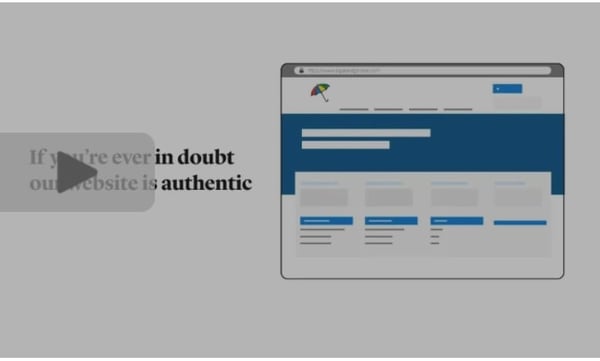
Worried that a website may be fake, or that the L&G website may be a copy made by scammers?
Then look no further.
We have put together a helpful video showing you a few simple things to watch out for.
However, If you are ever concerned by any correspondence you receive by telephone, email or letter – please contact us
The Domains used by L&G are:
www.legalandgeneral.com
www.landg.com
group.legalandgeneral.com
https://am.landg.com
https://myaccount.landg.com
What does L&G look and sound like?
L&G will never cold call you. We will only phone you when there is a need to.
But how do you know if the person on the other end of the phone is from L&G and not a scammer?
Check out our helpful video that tells you when and how we will contact you.

Phishing, vishing, smishing and financial scams
Find out the different ways scammers try to steal your personal information, passwords and banking details.
Phishing
Is that email from us? Is that our website?
Vishing
Is it L&G who is phoning you? Is it really us who left you a voicemail?
Smishing
Is that phone text from us?
Investment and pension scams
Don't lose your lifetime’s savings to an online thief.
Insurance and protection scams
Fake insurance companies and how to spot them.
Equity release (Lifetime Mortgage) scams
Is equity release a scam?
SIM Swap Fraud – What You Need to Know
SIM swaps are typically initiated by the genuine owner of a mobile phone for example, when changing devices or requiring a different SIM card size. However, fraudsters have taken advantage of this facility by instigating SIM swaps to intercept messages, secure codes, and links to sensitive documents.
A successful SIM swap can result in a sudden loss of signal and data, meaning you may be unable to use your mobile phone. Whilst this can be a sign that your SIM has been compromised however, it is worth checking if any signal loss is due to network issues or poor service in the area.
Fraudsters will contact mobile providers after gathering personal information through scams such as phishing. That’s why it’s important to regularly check your online accounts and update your passwords to help protect your identity.
You may receive a notification of a SIM swap. If you haven’t requested one, it’s crucial to contact your mobile provider immediately. You should also inform any other businesses that use your mobile number for verification or communication, including your bank(s).
Report a scam
Something phishy going on?
If you’ve seen, read or heard anything from L&G that you think may be fake or a scam, you can report it to the FCA or us

More help & support

Be ready, be wary
Find out how to protect yourself from scammers.
Further reading

How to avoid investment scams on social media
Scammers are using ads on Facebook and other social media sites to lure people into buying fake financial bonds and other investments. We’re going to share some tips to help you spot and avoid them.

Pension Credit: What is it and can I get it?
Learn about this top-up to the State Pension and if you’re eligible to apply.

10 pension myths busted
A lot of people ask us about pensions. Many of them are people who are just starting out on their pension journey. We find that they often ask about the same pension myths. So we’ve put together this article to bust the top ten ones.

How to protect your savings from inflation
Are you losing money without even realising it?

Pension fees and charges explained
Learn about pension charges and understand how much you’re paying.