
Top Christmas savings tips
For millions of households across the UK, Christmas is a time to eat, drink, and be merry in the company of loved ones. But December 2025 comes amid another challenging year for family budgets. While inflation has eased from its peak, the cost of living remains high, and families are still looking for ways to stretch their festive budgets — from presents to party food.
According to the latest research, Christmas 2025 will cost the average UK family a huge £1,622. With festive expenses continuing to rise, we’ve rounded up some smart ways to save money this season, without missing out on the magic.

A hearty meal remains a timeless Christmas tradition, but this year inflation continues to bite. Food and non-alcoholic drink prices are rising at around 4–5% year-on-year.
Fortunately, there are some smart ways you can make your leftovers last longer:
- Use any leftover meat as a sandwich filling for Boxing Day
- Whip up a curry or casserole using leftover meat or veg
- Use leftovers on the cheeseboard for sprinkling onto pasta or toast
- Boil your leftover meat or veg to make a stock for a delicious soup
- Leftover soup itself can even be turned into a pasta or dipping sauce.
Revise what you roast
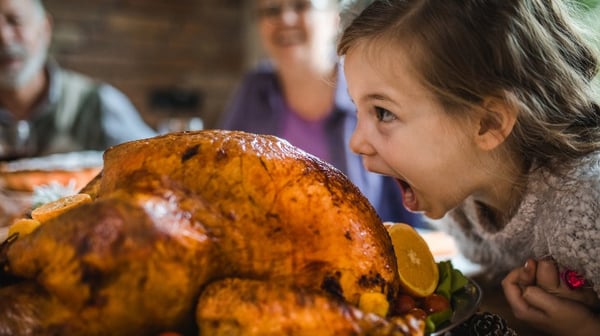
As for the Christmas dinner itself, we all know that energy costs have been astronomical this year. Rather than cook a whole turkey in the oven for hours, one inventive idea is to simply cook turkey breast, which is less energy intensive and can potentially reduce food waste.
A budget-conscious Christmas is also a chance to make your festive celebrations not just a little cheaper, but more sustainable.
One way to make Christmas more sustainable is to shop for second-hand toys. Pre-loved items can often be found at school fairs, charity shops, or offered for free through local community groups and social media pages.
Here are some other ways to save money while doing your bit for the environment:
- Avoid wrapping paper (which is often non-recyclable) and consider wrapping presents in fabric (a Japanese tradition) or no wrapping at all.
- Switch off Christmas lights regularly, which can reduce your energy consumption (and spend).
- After Christmas, store your decorations for next year so you’re not spending money each time on tinsel (which can contain non-recyclable plastics).
According to a 2024 survey by Tesco, 27% of people plan to serve or are considering serving meat-free Christmas main dishes this year, says Vegconomist. Additionally, a 2025 study by ProVeg UK found that 48% of UK respondents have reduced their annual meat intake, with health, environmental, and animal welfare concerns driving this shift. So, if you're considering a plant-based centerpiece, you're certainly not alone.
Dreaming of a dry christmas?
For many, having a sherry is an enjoyable Christmas tipple. However, it's well-known that spending on alcoholic drinks can add up quickly during the holiday season. In fact, a 2024 survey by Drinkaware revealed that nearly two-thirds (64%) of UK drinkers intend to consume more alcohol over Christmas than they typically would at other times of the year.
Of course, everyone is free to make their own decisions, but it’s always worth remembering that spending less on alcohol and tobacco is not just kinder to your wallet, but beneficial to your health too.

Try our financial safety net tool
We all want to enjoy the holiday period, so understandably, managing the rising cost of Christmas can be a concern. For more insights and advice on how you can strike the right balance with your festive spending, explore our interactive financial safety net tool.

Other related articles

Lighten your household's footprint

How to keep your house warm in winter