Life insurance for first time buyers
Buying a first property is one of life’s most exciting milestones, but in all the excitement of viewing homes, making bids and rolling out the red carpet, first time buyers could be forgiven for overlooking the importance of life insurance. In this guide we’ll explore what ‘first time buyer life insurance’ means in reality.

You may also like...
You don't legally need to take out life insurance as a first time buyer, but many homeowners choose it to help protect their mortgage. If you die while covered by the policy, a cash sum could be paid out following a valid claim, which may be used to help repay an outstanding mortgage and reduce the financial impact on your loved ones.
When buying a home, you'll usually be asked to arrange buildings insurance before your mortgage completes. Many homeowners also choose contents insurance to help protect their belongings.
You may also want to consider life insurance, which can help pay off an outstanding mortgage if you die during the policy term, helping your loved ones stay in the home you've worked hard to buy.
If you’re unsure about whether you need life insurance when buying your first home, here are some questions to ask yourself.
If you’re thinking about getting life insurance as a first time buyer, our life insurance calculator could help you work out how much cover you might need. You can also get an online life insurance quote to give you an idea of the cost.
Do you need life insurance for a mortgage?
You don’t have to take out life insurance to take out a mortgage – but it’s a smart move.
Our expert Barry explains more in this short video.

As a first-time buyer, the 'best' life insurance for you will depend on your personal circumstances, including how much cover you need, what you want to protect, and how much you're comfortable paying each month. Here's a summary of two types of life insurance for first time buyers.
Both policies are not savings or investment plans and have no cash value unless a valid claim is made.
What's the difference between life insurance and home insurance?
Life insurance is not to be confused with home insurance. While both are forms of financial protection, as we've already explained, life insurance is about protecting people.
Home insurance is different - it allows you to financially protect your property, its contents, or both. Depending on the options you choose, your assets could be covered for damage or loss caused by events such as theft, fire, flood or accidental damage.

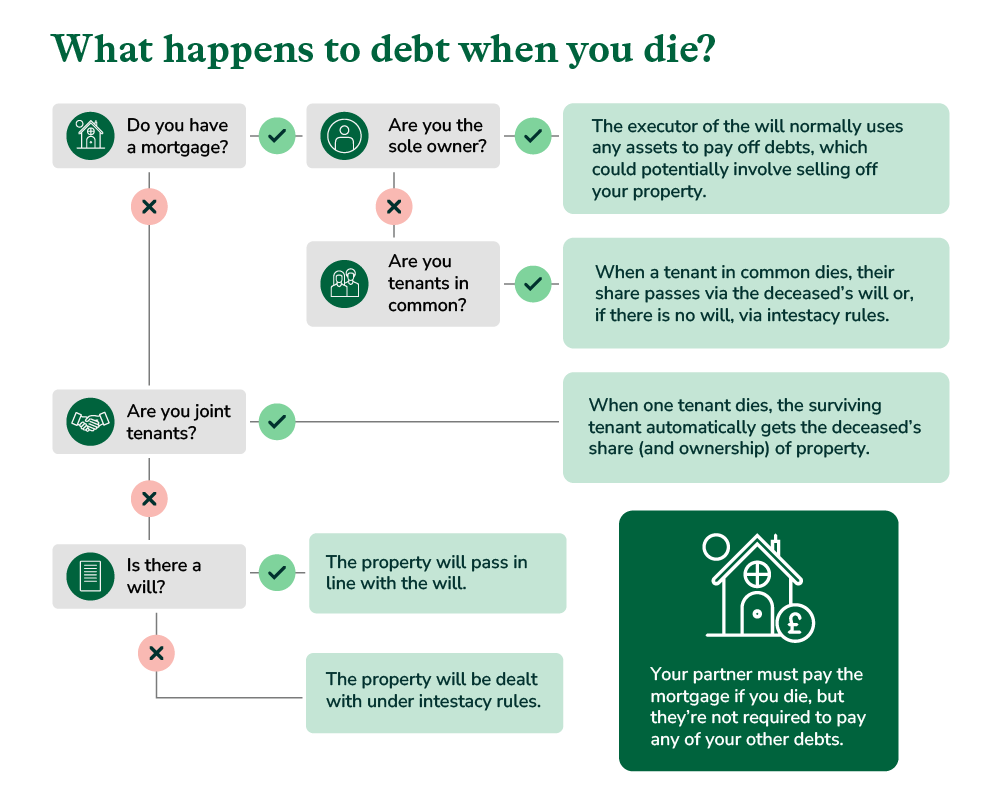
If you’re a first time buyer and you subsequently die as the mortgage holder, there are various possibilities in terms of what happens to your mortgage – with and without life insurance.
- If you’re the sole owner, the executor of your will should pay off your remaining debts. This could include selling the home or making a claim through your life insurance if you have a valid policy.
- If you own the property with your spouse, registered civil partner or co-habiting partner, they will be responsible for paying the mortgage (but not any of your other debts), and could make a life insurance claim if applicable.
- If there is an outstanding mortgage but no life insurance in place, the executor of your will should make arrangements with the creditors to pay off the debts or arrange for someone to take on the mortgage. Failing that, the property could be sold to cover the debt.
- If there is no will, the rules of intestacy will apply, which mean your estate – including any property – will be sold and distributed according to a legal default.
Want to learn more about Life Insurance?