What happens to life insurance when you change jobs?
Starting a new job is usually an exciting time, but when the dust settles, there are always lots of things to consider when changing jobs – your work-life balance, your financial landscape and yes, your life insurance. But how exactly does life insurance between jobs work?
You might also like...

Life insurance with a new job
If you’ve started a new job and you have life insurance in place outside of work, nothing will automatically happen to your existing policy unless you decide to make changes to it. But as we’ll explore, increasing your cover may be a smart move in protecting your loved ones financially.
If you get a new job or promotion that comes with a change of salary, and you have life insurance with L&G, you may be eligible to increase your cover if you make the request within six months of the good news. For some households, this is an attractive idea because any increase in your salary might also mean your family’s ongoing expenditure will rise. Increasing your life insurance cover means a bigger payout if a valid claim is made, that could better meet your loved ones’ changing living costs if you were no longer around.
There may also be other options available to change your cover if you need to. You should check your policy documents for the terms and conditions applied to your policy.
If the amount of cover you take out is partly based on a multiple of your annual earnings, thinking about what happens to your life insurance when you change jobs is important. You might want to use our life insurance calculator to assess your needs.
Learn more about making changes to your policy.
If you have life cover through work (sometimes known as death in service benefit), on the face of it your family might be entitled to some financial protection if you were to pass away. However, this benefit will usually only remain valid for the duration of your employment with an organisation. That’s because ‘death in service’ is linked to your employment at a particular company, so if your work status changes, you (and your family) would no longer have the financial protection you had before.
So if you are thinking about changing your occupation, or you previously had life cover through your old employer but your new workplace doesn't provide it, you might want to consider taking out a new life insurance policy. But remember, the quote you receive for your life insurance premiums will take account of your age, so there can be a cost if you delay applying for the protection you need. Read our guide to how age and other factors affect life insurance.
Even if you have a life cover policy through work, you may still wish to give yourself added protection with your own private life insurance policy. You might also find that your occupational benefit doesn’t cover you for bespoke requirements, such as Critical Illness Cover.
Your occupational life cover is likely to cease when you leave the organisation, whereas ‘term life insurance’ – such as L&G’s Life Insurance – can protect you for a period of time that you choose, such as 10, 15 or 25 years (depending on your age when taking out the policy). There is also nothing to stop you from having more than one policy.
There are circumstances where you might want to consider taking out life insurance even if you’re not a regular ‘9 to 5’ employee. It’s a misconception that life insurance is only for ‘breadwinners’ – for example, if you’re a stay-at-home parent, your family could take a financial hit if you were no longer around to perform everyday tasks, from cooking and cleaning to doing the school run. Read our guides on life insurance for Mums and Dads.
Moreover, many self-employed people or workers who may not be entitled to employee benefits such as sick pay, may wish to consider Income Protection Insurance. This means if you become incapacitated, due to illness or injury resulting in a loss of earnings, you could receive a regular monthly benefit.
Life insurance with a new job
While this article is focused on life cover, it's good to be aware that some employers may offer other benefits such as occupational sick pay.
If you are employed and your employer doesn't provide the occupational sickness that you need, or if you are self employed, Income Protection Insurance could also be a worthwhile option to consider. This type of insurance means that if you experience a loss of earnings due to illness or injury, you can receive a regular monthly benefit.
Occupational benefits could include more than life cover and sickness pay. If you are unsure what you are entitled to, you can also check with your employer. This will help you make a decision about the protection you need.
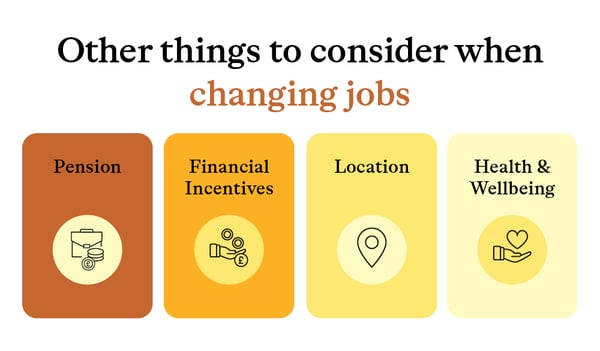
Whether you have life insurance through work, or your own policy in place, there are lots of other things to consider when it comes to your financial future. If you have a job offer or you’re looking to secure work elsewhere, here are some of the key considerations:
Want to learn more about Life Insurance?